Mazu Belief and Customs
Introduction
Mazu Belief and Customs form a significant part of the cultural and spiritual life in China's coastal regions. Mazu, revered as the most influential goddess of the sea in China, is central to a rich tapestry of beliefs, customs, oral traditions, religious ceremonies and folk practices. These traditions are deeply ingrained in the lives of the people inhabiting the coastal areas, providing a spiritual and cultural anchor for communities.
The belief in Mazu is characterized by a blend of historical reverence, communal practices, and religious observances that have been passed down through generations. Mazu's influence extends beyond China, touching the lives of Chinese communities across Southeast Asia, where she is honored as a guardian of sailors and fishermen. In 2009, Mazu Belief and Customs were recognized by UNESCO and inscribed on the Representative List of the Intangible Cultural Heritage of Humanity.
History
The origins of Mazu Belief and Customs can be traced back to the tenth century during the Song Dynasty (960-1279). Mazu, known in her mortal life as Lin Mo, was born on Meizhou Island in Fujian province. She was renowned for her benevolence and compassion, dedicating her life to helping her fellow townspeople. Legend has it that Mazu died attempting to save the survivors of a shipwreck, and her bravery and selflessness left a lasting impression on the local community. Following her death, the local residents built a temple in her honor, transforming her into a deity revered as the protector of seafarers. This temple became the center of Mazu worship, and over time, the belief in her divine power spread along China’s southeastern coast and into Chinese communities in Southeast Asia. Mazu’s legacy, rooted in folklore and history, continues to thrive as her followers honor her through various customs and practices.
Core Beliefs
At the heart of Mazu Belief is the veneration of Mazu as a compassionate and protective deity. She is believed to be a guardian of the sea, watching over fishermen, sailors and travelers, ensuring their safety during maritime journeys. Mazu is also seen as a benevolent figure to whom followers can appeal for guidance, protection, and blessings related to pregnancy, health and general well-being. The belief system emphasizes family harmony, social concord and the reinforcement of communal identity among coastal communities. Followers of Mazu engage in practices that strengthen these core beliefs, often invoking her in times of need and celebrating her protective presence through rituals and festivals.
Customs and Practices
Mazu Belief is rich in customs and practices that reflect the community's dedication to the goddess. These customs are observed both in public ceremonies and private worship, with each practice embodying the cultural and religious values of the followers.
Rituals
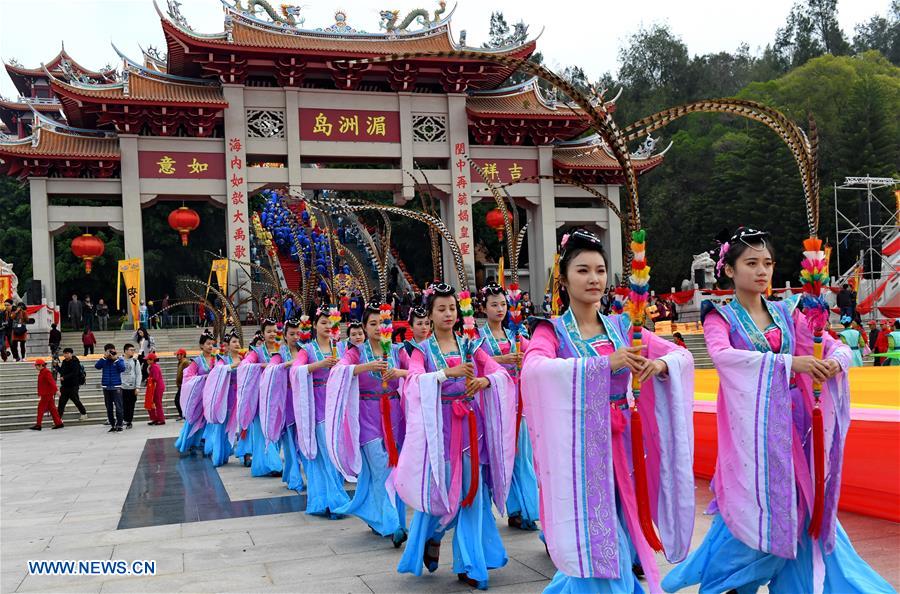
Rituals form an integral part of Mazu worship. They often involve offerings and sacrifices, such as the sacrifice of marine animals, floral tributes, and the burning of candles and incense. These rituals are performed both in temples dedicated to Mazu and in private homes, where devotees may maintain personal altars. Evening processions bearing 'Mazu lanterns' are common, symbolizing the light and guidance provided by the goddess. Rituals are conducted with deep reverence and are a means through which followers seek divine intervention in their lives.
Festivals
Festivals dedicated to Mazu are celebrated with great fervor and are key highlights of the cultural calendar in coastal regions. Usually, twice a year, formal temple fairs are held, where communities come together to honor Mazu through communal gatherings, dances and performances. These festivals are times when farmers and fisherfolk temporarily suspend their work to participate in the celebrations, strengthening communal bonds and renewing their faith in Mazu's protection.
Worship Sites
Mazu temples are central to the practice of Mazu Belief, serving as places of worship and community gathering. The original temple on Meizhou Island is a significant pilgrimage site, attracting devotees from around the world. These temples often house statues of Mazu, which are venerated during rituals and festivals. With over 5,000 Mazu temples worldwide, these sites act as cultural hubs where the traditions and practices associated with Mazu are preserved and celebrated, ensuring the continuity of her worship.
Preservation
The cultural significance of Mazu Belief and Customs lies in their role as a unifying force among coastal communities. The practices associated with Mazu foster a sense of identity and belonging, linking individuals to their cultural heritage and providing a spiritual framework for their lives. Mazu worship promotes values such as family harmony, social concord and communal solidarity, serving as a cultural bond that transcends generations.
Efforts to preserve and protect Mazu Belief focus on maintaining the integrity of rituals, safeguarding worship sites and promoting cultural education. Initiatives aimed at documentation, research and community engagement are crucial in ensuring the sustainability of Mazu traditions for future generations.








